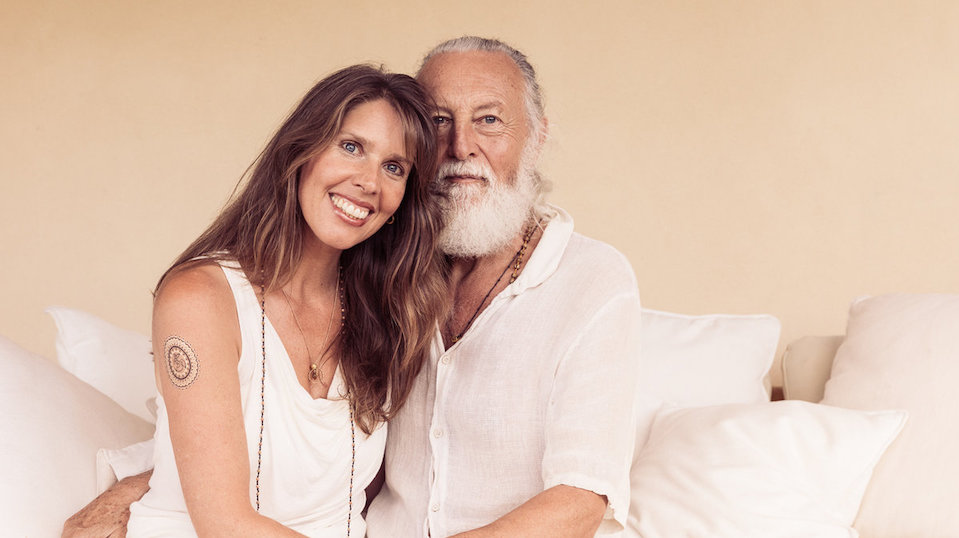
Holding Space: The Essence of Presence in Mantra-Yoga
In the words of Deva Premal, "Miten and I do not perform. We hold space." This profound statement invites us to reconsider the nature of our interactions, particularly in the realm of spiritual practice. Rather than viewing gatherings as performances to be critiqued or applauded, Premal emphasizes the importance of creating an environment where participants can experience deep connection and transformation. This distinction is crucial in a world often dominated by the need for validation and recognition.
To hold space is to cultivate an atmosphere of acceptance, allowing individuals to explore their inner landscapes without judgment. It is an invitation to step away from the ego-driven desire to impress or entertain, and instead, to engage in a shared experience of vulnerability and authenticity. This approach resonates deeply within the framework of mantra-yoga, where the focus is not on the outward expression of spirituality but on the inner journey of self-discovery and communion with the divine.
The image / the metaphor
The imagery of "holding space" evokes a sense of sanctuary, a sacred container where individuals can feel safe to express their true selves. The verbs chosen—"hold" and "space"—suggest a gentle, nurturing action that contrasts sharply with the more aggressive connotations of performance. Holding implies a steady, supportive presence, while space connotes openness and freedom. Together, they create a powerful metaphor for the spiritual journey, where the emphasis is on being rather than doing.
In the speaker's tradition
Deva Premal's approach to holding space is deeply rooted in the tradition of mantra-yoga, which emphasizes the power of sound and intention in spiritual practice. Central to this tradition is the concept of bhakti, or devotion, which invites practitioners to surrender their ego and open their hearts to the divine. In this context, holding space becomes an act of devotion, where the facilitator embodies a state of presence that encourages others to connect with their own inner divinity.
Moreover, this idea resonates with the Buddhist concept of sunyata, or emptiness, which teaches that true understanding arises from letting go of attachment and preconceived notions. By holding space, one creates a void filled with potential, allowing participants to explore their own experiences without the constraints of expectation. This aligns with the teachings found in texts such as the Heart Sutra, which emphasizes the importance of embracing emptiness as a pathway to enlightenment.
Living the teaching
Consider a modern scenario where this teaching can be applied: a community gathering aimed at sharing personal stories of struggle and triumph. In such a setting, the facilitator's role is not to dominate the conversation or showcase their own experiences but to create an atmosphere of trust and openness. By holding space, they invite participants to share their truths, fostering a sense of connection that transcends individual narratives and cultivates collective healing.
Another application of this teaching can be found in intimate relationships, particularly during moments of conflict or emotional distress. Instead of reacting defensively or seeking to "perform" by proving a point, one can choose to hold space for their partner's feelings. This means listening deeply, validating their emotions, and creating a safe environment for dialogue. In doing so, both individuals can navigate their challenges with compassion and understanding, ultimately strengthening their bond.
A reflection
As we contemplate the essence of holding space, we might ask ourselves: How can I create an environment of acceptance and presence in my own life? This question invites us to reflect on our interactions, both in formal settings and in our everyday relationships. By embracing the practice of holding space, we can cultivate deeper connections and foster a sense of community that honors the unique journeys of those around us.